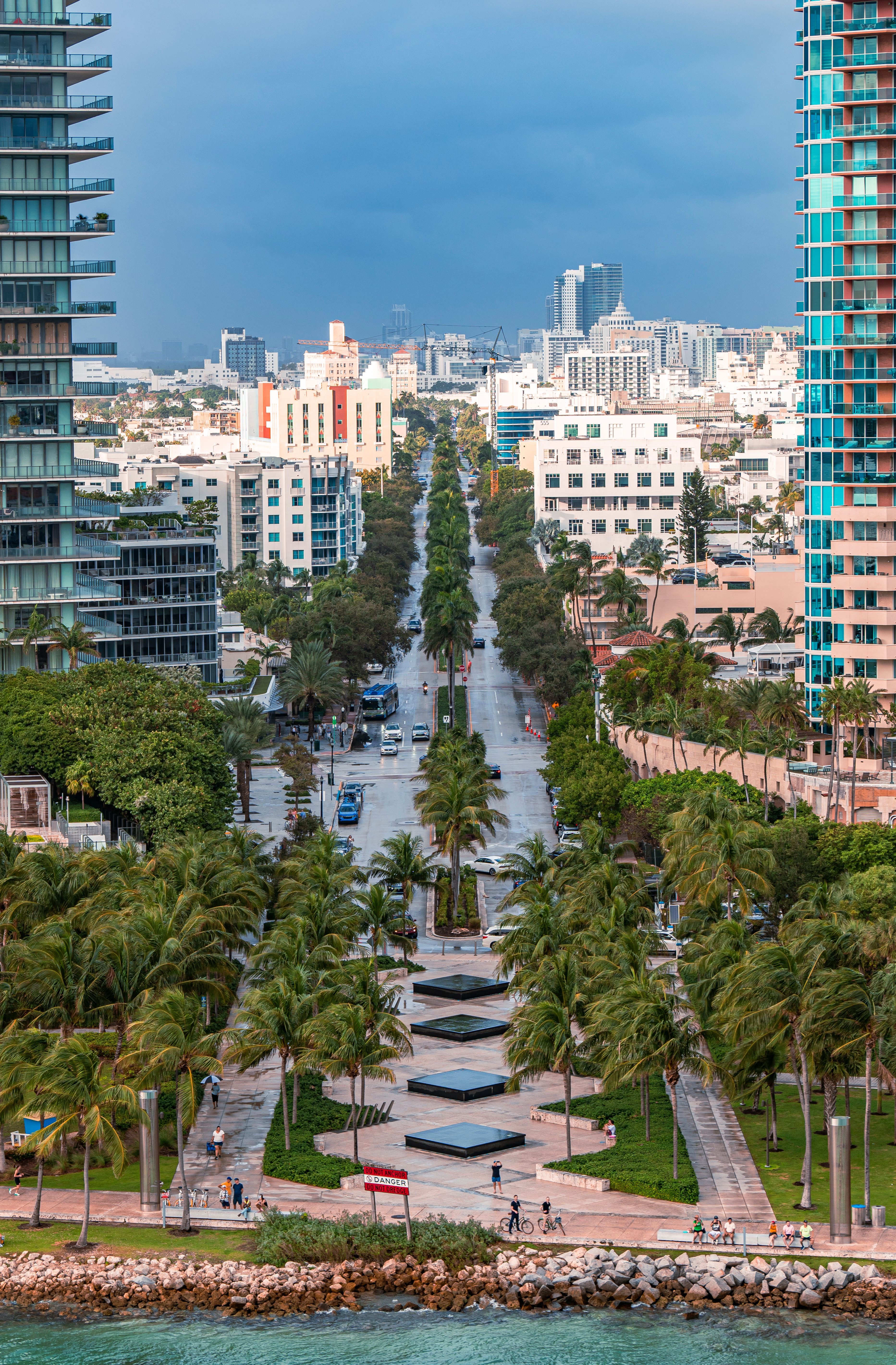
Moving to Miami is one of the most exciting lifestyle transitions you can ever make. The thought of permanent sunshine, zero state income tax, palm trees, and an international cultural scene is enough to make anyone pack up their northern home and catch the next flight down to MIA. But as a real estate advisor who builds long-term client relationships on absolute transparency rather than superficial sales pitches, I have to give you a serious piece of advice: Miami is an amazing place to live, but it is also a highly unique region with its own specific operational rules. If you move here expecting it to function exactly like New York, Chicago, or California, you are in for a serious wave of culture shock. Start with the basics: registering your vehicle in Florida is surprisingly quick but comes with its own set of quirks.
Let's analyze the first major surprise that hits relocators: the operational reality of the South Florida housing infrastructure. When you look at properties online, everything looks like a seamless tropical resort. But once you enter a transaction, you have to navigate the intense reality of local HOA rules, mandatory condo structural reserve assessments, and a property insurance landscape that requires expert guidance. Make sure to review all available Miami-Dade services for new residents early in your transition. Carrying costs like windstorm hazard insurance can significantly alter your monthly pro-forma statement. The relocation guide from the Greater Miami Chamber of Commerce is a solid starting resource.
The second surprise is our micro-market traffic logistics and geographic layout. Out-of-town buyers look at a map and think, "Oh, I can buy a house in a far-flung suburb and just commute to my office in Brickell or Downtown every day." Let me give you a reality check: traffic on the Palmetto, I-95, and the Florida Turnpike during peak hours is a serious test of mental sanity. In Miami, your daily happiness is dictated entirely by your proximity to your primary routines. The cost of homeowner insurance is another rude awakening for most out-of-state buyers—Florida's premiums are dramatically higher than the national average.

Finally, there is the adjustment to the sheer pace and cultural diversity of the local lifestyle. Miami is a hyper-dynamic, international metropolitan city that functions as the cultural capital of Latin America. The baseline rhythm of daily life—from scheduling contractors and navigating municipal building permits to checking into a local restaurant—moves to its own unique tropical tempo. It is an environment that completely rewards patience, networking, and local expertise. Once you learn how to decode the city's systems, adjust to the climate, and map your neighborhood logistics accurately, living here becomes the absolute paradise you always dreamed it would be.
Succeeding in your relocation journey requires moving past the surface-level hype and grounding your real estate decisions in hard local data. If you are preparing to make a move to South Florida and want to ensure your transition is seamless, wealth-insulated, and perfectly aligned with your lifestyle, explore our comprehensive Miami Fine Living Market Map or reach out to me directly to schedule a confidential relocation strategy call. And remember to sort out setting up utilities well in advance of your move date.