When you are preparing to deploy significant capital into the South Florida real estate market, one of the most fundamental strategic decisions you must face is asset classification. Specifically: do you buy a traditional single-family home, or do you secure a luxury high-rise condominium? Historically, this choice was driven entirely by personal lifestyle preferences—condos offered maintenance-free resort living, while houses delivered private backyards and space. But in 2026, this debate has evolved into a high-stakes calculation of risk management, financial carry costs, and long-term asset insulation. The latest single-family homes vs condos data shows the performance gap between these two asset classes has widened significantly.
Let's evaluate the structural safety and financial risk of the condominium sector first. As we've established, the condo landscape is navigating an unprecedented regulatory overhaul regarding structural reserve laws and building mandates. While this guarantees that buildings will be safer and better managed over the long term, the short-term transition has introduced volatility in carry costs through rising maintenance fees and special assessments. The reserve requirements are now mandatory across the board, and single-family demand has spiked nationally as buyers seek fee-simple ownership to escape collective liability.
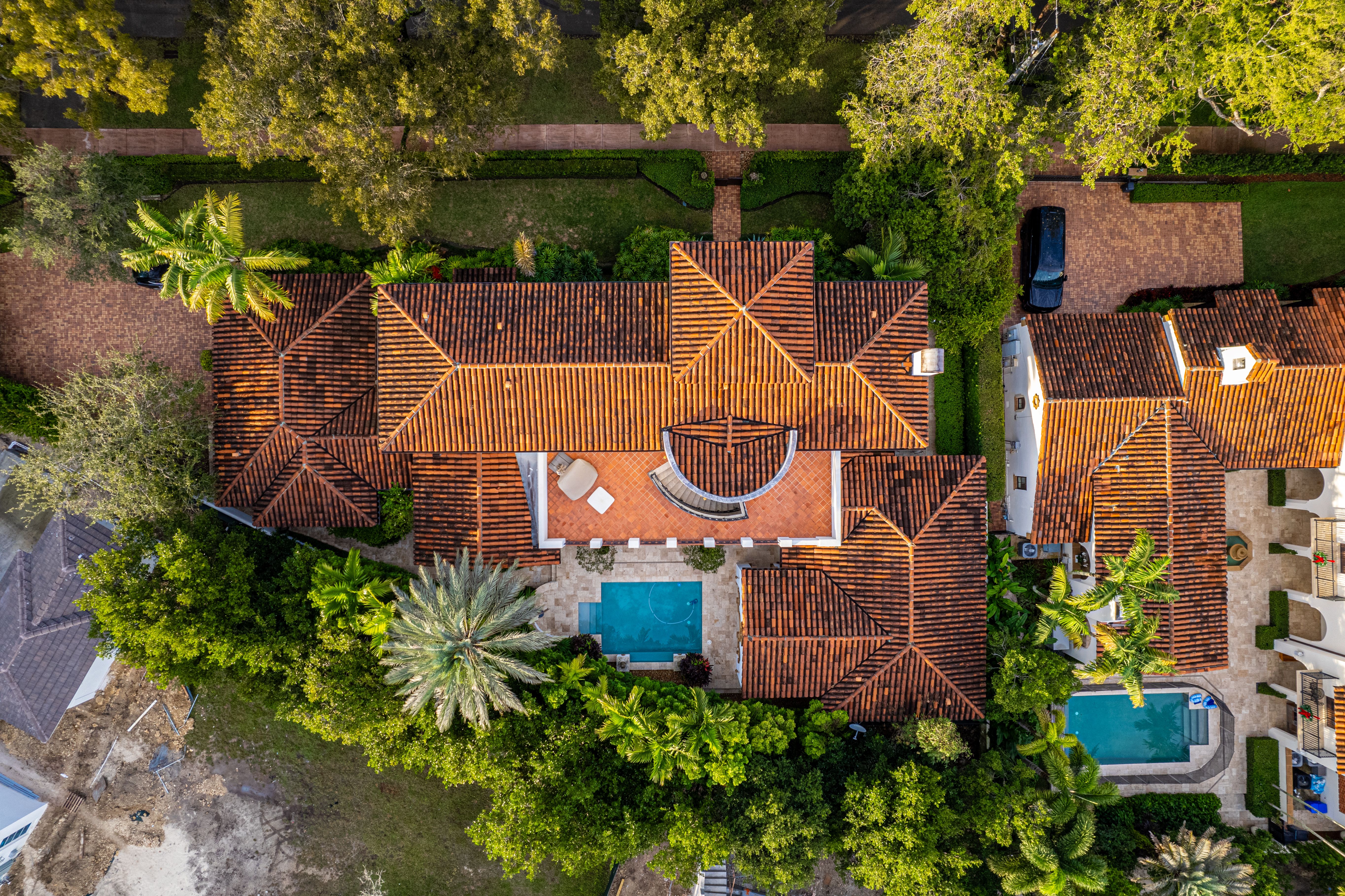
Now, let's look at the single-family home market. When you buy a house, you hold "fee-simple" ownership. You are your own condo board, your own management company, and your own president. If the roof needs to be replaced, you decide when to fix it, who to hire, and how much to spend. You have complete financial autonomy over your property's capital expenditure timeline, completely insulating you from collective assessment shocks. You must still comply with local building inspections, but those are transactional rather than ongoing collective obligations.

However, single-family homeownership is not without its own financial stress points. In 2026, the single-family market faces its own challenge: the private property insurance landscape. Homeowners across Florida have seen substantial adjustments to their hazard, windstorm, and flood policies. While a condo association splits its master insurance policy among hundreds of units, a single-family homeowner bears the entire weight of their specific policy alone. Additionally, everyday maintenance—from landscaping and pool care to roofing and storm preparation—requires continuous personal oversight and capital allocation.
Ultimately, determining which asset class is "safer" depends entirely on your personal definition of security. Do you prefer the predictable autonomy of owning your own land and managing your own roof, or do you prefer the resort-style luxury of a condo while accepting the regulatory carry-cost realities of collective ownership? To see a data-backed breakdown of how home values and condo values are trending across our key target markets, examine our comprehensive Miami Fine Living Market Map or reach out to me directly to discuss your long-term goals. Review the long-term appreciation data for both asset classes before committing.