Welcome to the Miami FL Fine Living Blog

Your straight-talk resource for everything residential real estate in Miami. Whether you're thinking about selling your condo, buying your first home, or just trying to make sense of what the market is doing, this is where you get real answers from someone who actually works this market every day.

Roman Ivanov, REALTOR has sold over 160 homes across Miami and earned over 50 Google 5-star reviews doing it the right way — with honest advice, hyperlocal data, and zero fluff. Every post on this blog is written with one goal: to give you the information you need to make a confident decision in one of the most dynamic real estate markets in the country.

Browse the posts below and when you're ready to talk, reach out directly.  786-909-4892 | www.MiamiFineLiving.net


June 18, 2026

"Hallandale Beach: still a value play or already discovered?"

South Florida thrives on pure adrenaline, and the upcoming World Cup is about to crank that dial up to an eleven. The massive fan festivals in Downtown Miami and the matches up at Hard Rock Stadium are going to bring an electric, global energy that you definitely want to experience. But let's be honest: nobody wants a stadium shuttle bus blocking their driveway or a rowdy group of international fans singing soccer chants outside their bedroom window at 2:00 AM. You want the lifestyle perks without the structural headaches.


If you're trying to figure out how to navigate this balance, you need to look closely at the geographic sweet spots sitting between the two main event centers. We are talking about the northern coastal corridor:Aventura, North Miami Beach, Hollywood, and Hallandale Beach. These areas give you an incredible tactical advantage. You can jump on the [Brightline at the Aventura station and be standing in the middle of the Downtown chaos in less than twenty minutes, then head back north to enjoy a quiet evening on your balcony.


Let's look at the lifestyle breakdown. Aventura represents pure, structured convenience. It's manicured, it's secure, and it's packed with world-class shopping and pristine golf courses. If you want a deeper look at how it compares to oceanfront living, check out our classic Aventura vs Sunny Isles comparison. It's perfect for buyers who want an immaculate condo environment with an easy commute to both Miami and Fort Lauderdale event zones.

If you want a bit more space or a single-family residential feel, North Miami Beach  is the practical buyer's alternative. It offers central location and great square footage without the premium luxury price tags of the immediate coast. Meanwhile, just across the county line in Broward, Hollywood and Hallandale Beach are experiencing a massive development boom. From the luxury updates of the 1301 Project to new residential proposals near the beach, these neighborhoods are perfect for relocators who want urban walkability and beach access without the historic price inflation of South Beach.


Choosing where to anchor yourself in South Florida is all about aligning the data with your specific day-to-day lifestyle. Whether you prefer the high-energy skyline of Downtown or the peaceful buffer zones of the northern communities, the right play depends on your personal threshold for the classic Miami shuffle. Check our Miami Fine Living Market Map to see where you fit best, or reach out directly to talk strategy.
 

June 18, 2026

"Miami Beach Bandshell watch parties: why North Beach is underrated"

While the crowds and the media circus are fighting for space in South Beach or lining up at the massive festivals Downtown, savvy locals are quietly heading north. Specifically, they are anchoring themselves at the historic  Miami Beach Bandshell in North Beach. With official World Cup watch parties scheduled for June 22, June 24, and July 18, this open-air, oceanfront cultural venue is showing exactly why it is the beating heart of an authentic neighborhood. More importantly, it's spotlighting why North Beach is one of the most underrated coastal areas in Miami.

Let's be totally candid about the Miami Beach conversation. When out-of-town buyers talk about the beach, they usually paint the entire island with the same brush. They think of the wild nightlife of South Beach or the high-end luxury hotels of Mid-Beach. But North Beach is an entirely different world. It's a neighborhood where people actually live, neighbors know each other by name, and the beach access is wide open and unpretentious. This real estate market offers an incredible community vibe centered around parks, local dining, and open-air culture.

This authentic lifestyle is exactly why the real estate market in North Beach is drawing serious attention from long-term buyers and practical investors. For years, it sat quietly in the shadow of its flashier neighbors to the south. But as pricing across South Florida has surged, buyers are looking at North Beach and realizing they can secure a coastal property with phenomenal walkability, excellent green space like North Shore Open Space Park, and immediate beach access without paying a wild celebrity premium.

The area is undergoing a thoughtful revitalization. We are seeing a steady stream of new residential proposals, boutique condo developments, and streetscape improvements that respect the neighborhood's unique architectural heritage while introducing modern luxury amenities. It's the classic real estate story: a neighborhood with incredible natural assets and a rich cultural anchor like the Bandshell that is finally being recognized for its true lifestyle value by the wider market.


Buying into an evolving neighborhood requires looking past the surface hype and studying the underlying zoning, upcoming developments, and building-specific financial data. If you want a clear-eyed look at how North Beach  compares to other coastal options, consult our comprehensive Miami Fine Living Market Map or connect with me directly to talk about upcoming opportunities before the rest of the world catches on.

June 17, 2026

"Hollywood is changing fast: what buyers should know"

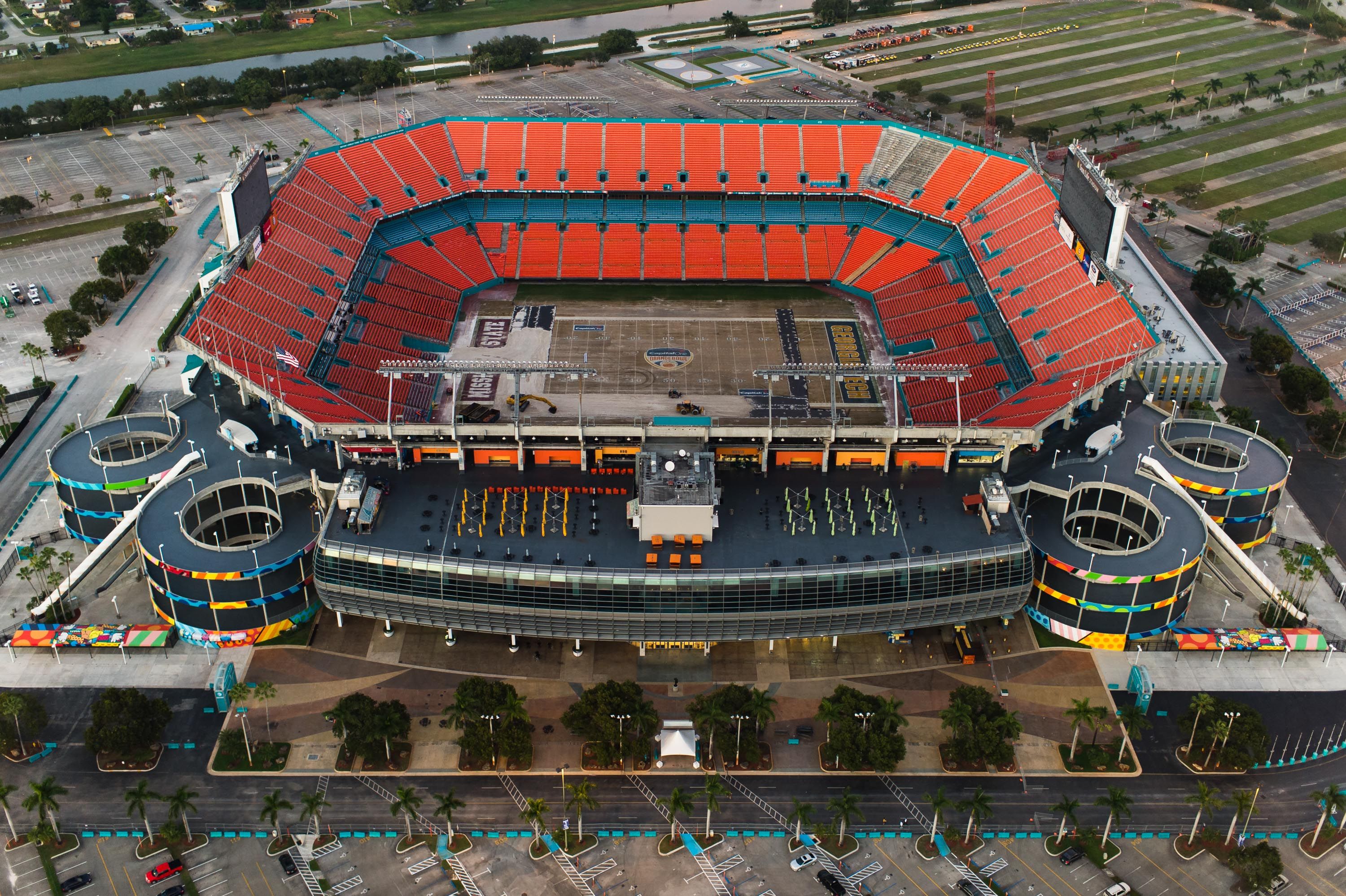
For years, when out-of-towners heard the name Miami Gardens, they thought of exactly one thing: Hard Rock Stadium. They picture tailgating before a Dolphins game, watching Formula 1 cars scream past, or singing along at an international concert. But as a local real estate advisor, I'm seeing a massive shift under the surface. With the eyes of the entire sports world landing squarely on Miami Gardens for the 2026 World Cup, smart buyers are starting to look past the stadium gates and into the neighborhoods surrounding it.

Let's be brutally candid: Miami Gardens has historically had a bit of a perception problem among high-end coastal buyers who only want to look at glass high-rises in Brickell or waterfront mansions in Sunny Isles. But luxury pricing has forced a reality check. When a basic 2-bedroom condo down south costs you a million bucks plus an astronomical monthly HOA assessment, a single-family home with an actual backyard, a garage, and zero condo board drama suddenly looks like paradise.

That is the exact value play driving the Miami Gardens real estate scene right now. It represents one of the few remaining pockets in Miami-Dade County where middle-class families, relocators, and investors can buy an updated single-family property without needing a trust fund. It's an infrastructure playground with direct access to the Florida Turnpike, I-95, and the Palmetto, meaning you can skip across the county lines or head up to Broward in no time.

The influx of global events hasn't just brought traffic; it has pumped millions of dollars of investment into the city's commercial spaces, parks, and local infrastructure. We are seeing new retail plazas, updated dining options, and a level of civic pride that is catching the attention of developers. Buyers who used to write off the area are realizing that owning a piece of land right in the geographic center of South Florida's Hard Rock Stadium sports capital is a highly practical asset.

Of course, buying near a global stadium comes with its own set of rules. You need to know which pockets experience stadium gridlock on event days and which streets remain perfectly quiet residential havens. If you want a data-backed look at how home values are trending across our primary service markets, consult our signature Miami Fine Living Market Map or connect directly with me to run a customized neighborhood search. The global spotlight is arriving, and the secret is officially out.

June 17, 2026

"Bayfront Park Fan Festival: what it says about Downtown Miami living"

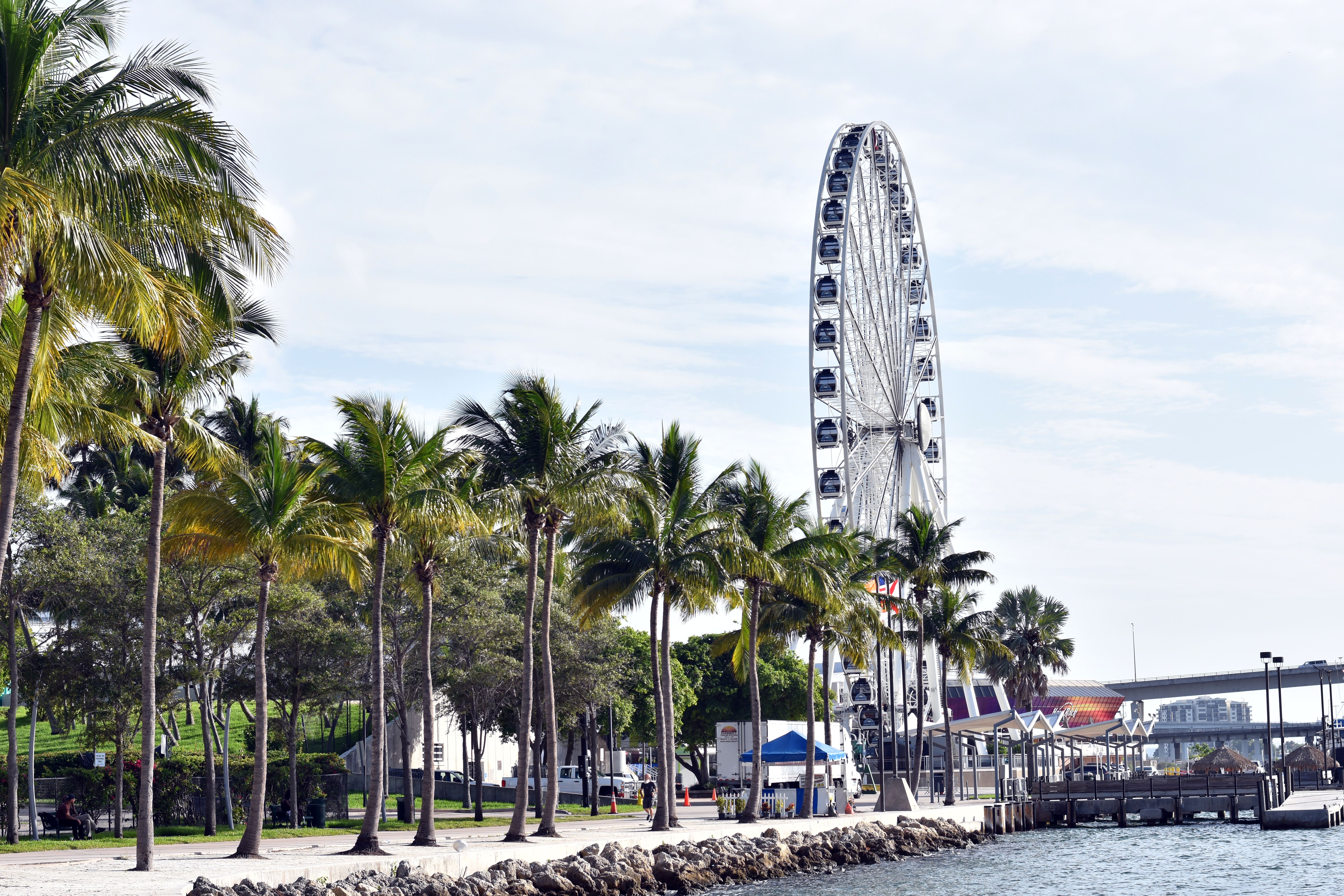
From June 13 to July 5,  Bayfront Park  is transforming into a massive, open-air soccer paradise for the FIFA Fan Festival. We are talking giant LED screens, live international music, endless food trucks, and thousands of fans from every corner of the earth celebrating together. It's going to be a masterclass in global marketing, and it's happening right in the front yard of Downtown Miami's most iconic luxury high-rises. If you've ever wondered what urban, walkable lifestyle in Miami actually looks like under pressure, this is your answer.

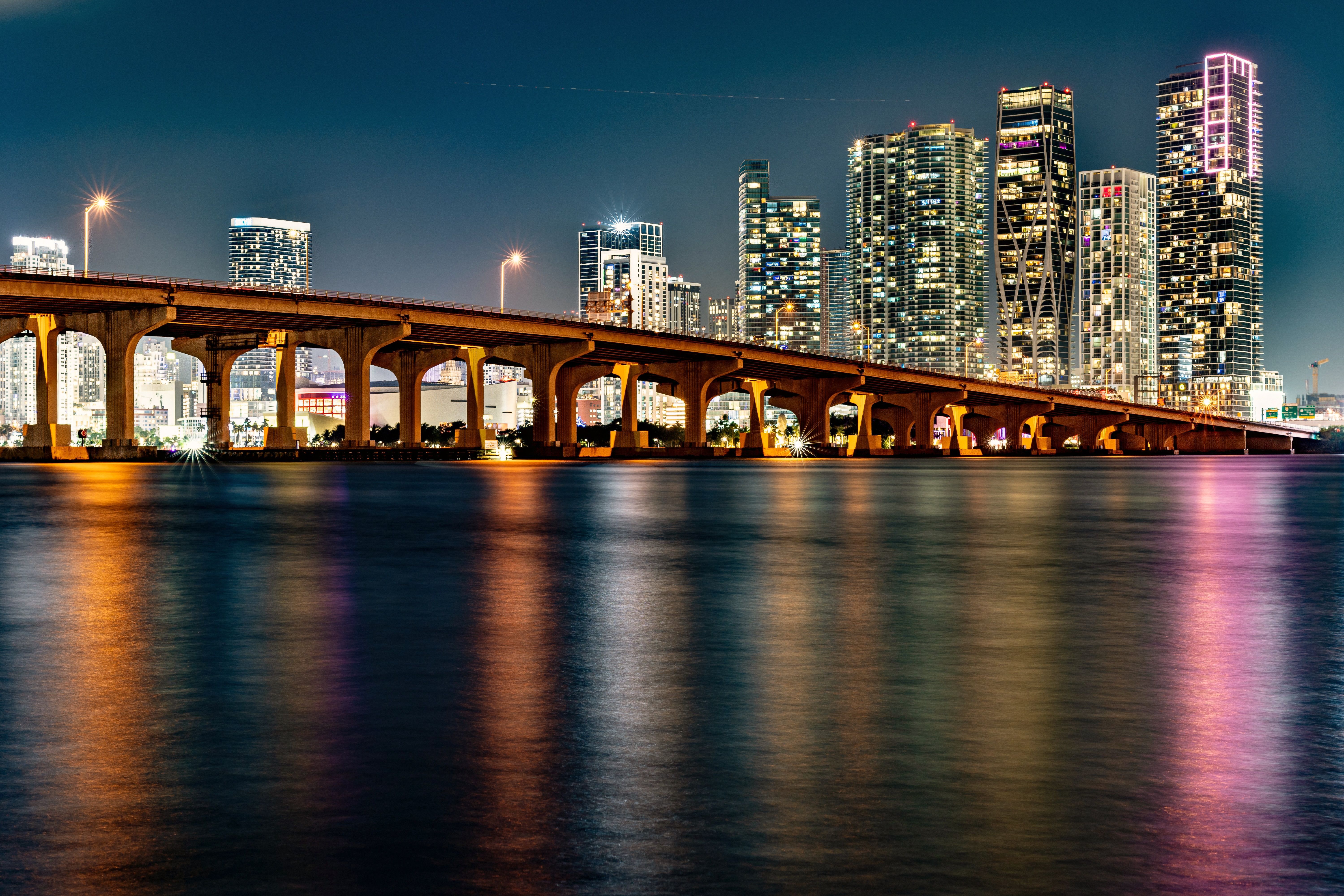
Living in Downtown Miami is not like living anywhere else in South Florida. It is a fast-paced, high-energy environment built for people who thrive on constant movement. When you live in towers like vizcayne, 50 Biscayne, or the new luxury developments popping up along the skyline, you don't need to worry about traffic or finding parking. You simply push the elevator button, step into the lobby, and walk straight into a world-class festival. That absolute walkability is the ultimate selling point for the urban condo market.

But let's keep it real: this high-octane lifestyle comes with a major trade-off. When a massive event takes over Bayfront Park, your peaceful morning walk is replaced by security checkpoints, road closures, and a constant baseline of bass from sound checks. If you are the type of person who needs absolute peace, quiet, and a predictable schedule, Downtown might make you lose your mind. But if you view the city as an extension of your living room, having global events on your doorstep is a badge of honor.

The real estate play here is simple. Events like the Fan Festival prove that Downtown Miami is no longer a sleepy banking district that shuts down after 5:00 PM. It has evolved into a fully realized, international cultural hub. This continuous transformation is why long-term demand for high-end condos in the urban core remains incredibly resilient, attracting global buyers who want a true metropolitan experience with a tropical backdrop.


Navigating the condo market in Downtown requires a deep understanding of specific building rules, rental restrictions, and upcoming local developments. If you're trying to decide if the fast-paced urban lifestyle fits your financial goals, explore our comprehensive Miami Fine Living Market Map  or connect with me directly to tour the best properties in the neighborhood.

Posted in Buyers, Condos, Miami FL
June 17, 2026

"Is Miami Gardens about to get more attention from buyers?"

For years, when out-of-towners heard the name Miami Gardens" they thought of exactly one thing: Hard Rock Stadium. They picture tailgating before a Dolphins game, watching Formula 1 cars scream past, or singing along at an international concert. But as a local real estate advisor, I'm seeing a massive shift under the surface. With the eyes of the entire sports world landing squarely on Miami Gardens for the 2026 World Cup, smart buyers are starting to look past the stadium gates and into the neighborhoods surrounding it.

Let's be brutally candid: Miami Gardens has historically had a bit of a perception problem among high-end coastal buyers who only want to look at glass high-rises in Brickell or waterfront mansions in Sunny Isles. But luxury pricing has forced a reality check. When a basic 2-bedroom condo down south costs you a million bucks plus an astronomical monthly HOA assessment, a single-family home with an actual backyard, a garage, and zero condo board drama suddenly looks like paradise.

That is the exact value play driving the Miami Gardens real estate scene right now. It represents one of the few remaining pockets in Miami-Dade County where middle-class families, relocators, and investors can buy an updated single-family property without needing a trust fund. It's an infrastructure playground with direct access to the Florida Turnpike I-95, and the Palmetto, meaning you can skip across the county lines or head up to Broward in no time.

The influx of global events hasn't just brought traffic; it has pumped millions of dollars of investment into the city's commercial spaces, parks, and local infrastructure. We are seeing new retail plazas, updated dining options, and a level of civic pride that is catching the attention of developers. Buyers who used to write off the area are realizing that owning a piece of land right in the geographic center of South Florida's Hard Rock Stadium sports capital is a highly practical asset.


Of course, buying near a global stadium comes with its own set of rules. You need to know which pockets experience stadium gridlock on event days and which streets remain perfectly quiet residential havens. If you want a data-backed look at how home values are trending across our primary service markets, consult our signature Miami Fine Living Market Map or connect directly with me to run a customized neighborhood search. The global spotlight is arriving, and the secret is officially out.

Posted in Buyers
June 17, 2026

"The honest relocation guide: what surprises people after moving to Miami"

Moving to Miami is one of the most exciting lifestyle transitions you can ever make. The thought of permanent sunshine, zero state income tax, palm trees, and an international cultural scene is enough to make anyone pack up their northern home and catch the next flight down to MIA. But as a real estate advisor who builds long-term client relationships on absolute transparency rather than superficial sales pitches, I have to give you a serious piece of advice: Miami is an amazing place to live, but it is also a highly unique region with its own specific operational rules. If you move here expecting it to function exactly like New York, Chicago, or California, you are in for a serious wave of culture shock. Start with the basics: registering your vehicle in Florida is surprisingly quick but comes with its own set of quirks.

Let's analyze the first major surprise that hits relocators: the operational reality of the South Florida housing infrastructure. When you look at properties online, everything looks like a seamless tropical resort. But once you enter a transaction, you have to navigate the intense reality of local HOA rules, mandatory condo structural reserve assessments, and a property insurance landscape that requires expert guidance. Make sure to review all available Miami-Dade services for new residents early in your transition. Carrying costs like windstorm hazard insurance can significantly alter your monthly pro-forma statement. The relocation guide from the Greater Miami Chamber of Commerce is a solid starting resource.

The second surprise is our micro-market traffic logistics and geographic layout. Out-of-town buyers look at a map and think, "Oh, I can buy a house in a far-flung suburb and just commute to my office in Brickell or Downtown every day." Let me give you a reality check: traffic on the Palmetto, I-95, and the Florida Turnpike during peak hours is a serious test of mental sanity. In Miami, your daily happiness is dictated entirely by your proximity to your primary routines. The cost of homeowner insurance  is another rude awakening for most out-of-state buyers—Florida's premiums are dramatically higher than the national average.

Finally, there is the adjustment to the sheer pace and cultural diversity of the local lifestyle. Miami is a hyper-dynamic, international metropolitan city that functions as the cultural capital of Latin America. The baseline rhythm of daily life—from scheduling contractors and navigating municipal building permits to checking into a local restaurant—moves to its own unique tropical tempo. It is an environment that completely rewards patience, networking, and local expertise. Once you learn how to decode the city's systems, adjust to the climate, and map your neighborhood logistics accurately, living here becomes the absolute paradise you always dreamed it would be.


Succeeding in your relocation journey requires moving past the surface-level hype and grounding your real estate decisions in hard local data. If you are preparing to make a move to South Florida and want to ensure your transition is seamless, wealth-insulated, and perfectly aligned with your lifestyle, explore our comprehensive Miami Fine Living Market Map or reach out to me directly to schedule a confidential relocation strategy call. And remember to sort out setting up utilities well in advance of your move date.

June 16, 2026

"Single-family homes vs condos in South Florida: which is safer in 2026?"

When you are preparing to deploy significant capital into the South Florida real estate market, one of the most fundamental strategic decisions you must face is asset classification. Specifically: do you buy a traditional single-family home, or do you secure a luxury high-rise condominium? Historically, this choice was driven entirely by personal lifestyle preferences—condos offered maintenance-free resort living, while houses delivered private backyards and space. But in 2026, this debate has evolved into a high-stakes calculation of risk management, financial carry costs, and long-term asset insulation. The latest single-family homes vs condos data shows the performance gap between these two asset classes has widened significantly.

Let's evaluate the structural safety and financial risk of the condominium sector first. As we've established, the condo landscape is navigating an unprecedented regulatory overhaul regarding structural reserve laws and building mandates. While this guarantees that buildings will be safer and better managed over the long term, the short-term transition has introduced volatility in carry costs through rising maintenance fees and special assessments. The reserve requirements  are now mandatory across the board, and single-family demand  has spiked nationally as buyers seek fee-simple ownership to escape collective liability.

Now, let's look at the single-family home market. When you buy a house, you hold "fee-simple" ownership. You are your own condo board, your own management company, and your own president. If the roof needs to be replaced, you decide when to fix it, who to hire, and how much to spend. You have complete financial autonomy over your property's capital expenditure timeline, completely insulating you from collective assessment shocks. You must still comply with local building inspections, but those are transactional rather than ongoing collective obligations.

However, single-family homeownership is not without its own financial stress points. In 2026, the single-family market faces its own challenge: the private property insurance landscape. Homeowners across Florida have seen substantial adjustments to their hazard, windstorm, and flood policies. While a condo association splits its master insurance policy among hundreds of units, a single-family homeowner bears the entire weight of their specific policy alone. Additionally, everyday maintenance—from landscaping and pool care to roofing and storm preparation—requires continuous personal oversight and capital allocation.


Ultimately, determining which asset class is "safer" depends entirely on your personal definition of security. Do you prefer the predictable autonomy of owning your own land and managing your own roof, or do you prefer the resort-style luxury of a condo while accepting the regulatory carry-cost realities of collective ownership? To see a data-backed breakdown of how home values and condo values are trending across our key target markets, examine our comprehensive Miami Fine Living Market Map or reach out to me directly to discuss your long-term goals. Review the long-term appreciation data for both asset classes before committing.

June 16, 2026

"Miami Beach vs Downtown during World Cup: which lifestyle fits you?"

It's the ultimate South Florida debate: the sand versus the skyline. If you are planning to buy property in Miami, you will inevitably find yourself standing at a crossroads, trying to choose between the historic, breezy allure of Miami Beach and the sleek, high-energy metropolitan pulse of Downtown Miami. Both neighborhoods offer world-class luxury, but their identities are completely distinct. When a massive event like the World Cup hits, the differences between these two lifestyles become blindingly obvious.

Let's look at Downtown Miami first. This is the urban core. It's defined by soaring glass towers, rapid mass transit options, and immediate proximity to cultural centers like the Adrienne Arsht Center, Kaseya Center, and the massive fan festivals at Bayfront Park. Living here means embracing vertical convenience. You trade a large yard for an elevated view of Biscayne Bay, a quick commute via the Metrorail or Brightline, and the ability to walk to dinner, a game, or a concert in minutes without ever touching a steering wheel. This real estate market delivers one of the most high-intensity urban experiences in the country.

Now, let's cross the causeway over to Miami Beach. This is lifestyle-first living defined by historic art deco architecture, world-famous beach access, and a distinct pedestrian culture. On the beach, life moves to a slightly different rhythm. It's about morning runs on the boardwalk, paddleboarding at sunset, and outdoor dining along Lincoln Road. But during peak tourist season or global events, the island infrastructure faces reality. Parking becomes an expensive competitive sport, and getting across the Julia Tuttle or MacArthur Causeways can become a serious traffic nightmare.

From a real estate due-diligence perspective, condo ownership looks very different on either side of the bay. Miami Beach features an inventory mix of older, historic buildings that require rigorous investigation regarding structural integrity, reserves, and recent assessments, alongside ultra-luxury modern developments. Downtown Miami offers mostly newer inventory with expansive resort-style amenity decks, but higher density and stricter competition within the rental market. It's a choice between authentic coastal heritage and modern metropolitan growth.


Ultimately, deciding between Miami Beach and Downtown comes down to how you want to experience your days. Do you want to step out of your lobby directly onto the sand, or do you want to peer out over the entire city from a penthouse in the sky? To see how these markets stack up financially right now, review our signature Miami Fine Living Market Mapor reach out to me directly to discuss your specific property goals.

June 16, 2026

"Where to live if you want World Cup energy without living in the chaos"

South Florida thrives on pure adrenaline, and the upcoming World Cup is about to crank that dial up to an eleven. The massive fan festivals in Downtown Miami and the matches up at Hard Rock Stadium are going to bring an electric, global energy that you definitely want to experience. But let's be honest: nobody wants a stadium shuttle bus blocking their driveway or a rowdy group of international fans singing soccer chants outside their bedroom window at 2:00 AM. You want the lifestyle perks without the structural headaches.

If you're trying to figure out how to navigate this balance, you need to look closely at the geographic sweet spots sitting between the two main event centers. We are talking about the northern coastal corridor:Aventura, North Miami Beach, Hollywood, and Hallandale Beach. These areas give you an incredible tactical advantage. You can jump on the [Brightline at the Aventura station and be standing in the middle of the Downtown chaos in less than twenty minutes, then head back north to enjoy a quiet evening on your balcony.

Let's look at the lifestyle breakdown. Aventura represents pure, structured convenience. It's manicured, it's secure, and it's packed with world-class shopping and pristine golf courses. If you want a deeper look at how it compares to oceanfront living, check out our classic Aventura vs Sunny Isles comparison. It's perfect for buyers who want an immaculate condo environment with an easy commute to both Miami and Fort Lauderdale event zones.

If you want a bit more space or a single-family residential feel, North Miami Beach is the practical buyer's alternative. It offers central location and great square footage without the premium luxury price tags of the immediate coast. Meanwhile, just across the county line in Broward, Hollywood and Hallandale Beach are experiencing a massive development boom. From the luxury updates of the 1301 Project to new residential proposals near the beach, these neighborhoods are perfect for relocators who want urban walkability and beach access without the historic price inflation of South Beach.

Choosing where to anchor yourself in South Florida is all about aligning the data with your specific day-to-day lifestyle. Whether you prefer the high-energy skyline of Downtown or the peaceful buffer zones of the northern communities, the right play depends on your personal threshold for the classic Miami shuffle. Check our Miami Fine Living Market Map to see where you fit best, or reach out directly to talk strategy.
Posted in Buyers, Condos
June 16, 2026

"World Cup 2026: What Miami locals need to know before the crowds arrive"

Look, it's official. The beautiful game is coming to turn our city into a beautifully chaotic circus. From June 11 to July 19, 2026, Miami is hosting the FIFA World Cup. If you think finding a spot in Brickell on a Friday night is a test of your mental sanity, just wait until hundreds of thousands of international fans land at MIA. Let's pour a coffee and talk about how to survive—and maybe make a buck off—the madness.

World Cup 2026 stadium crowd aerial view Miami Hard Rock Stadium fans

We've all survived Art Basel, Formula 1, and the boat show, but this is a completely different beast. The entire globe is looking at South Florida. While the tourism board is popping champagne, locals are collect

ively wondering if they need to buy three weeks' worth of groceries from Publix and barricade themselves inside.

Let's start with The Good: the absolute financial windfall if you own Miami real estate. Short-term rental demand is currently entering the stratosphere. If you own a property near a metro line or within striking distance of Hard Rock Stadium in Miami Gardens, you are essentially sitting on a temporary gold mine.

Investors and smart homeowners are licking their chops. Renting out an extra room or a vacant condo during this window could fund your vacation for the next three years. Just make sure you check your local HOA regulations before opening your doors to strangers, or you'll get hit with a fine faster than a referee hands out a yellow card.

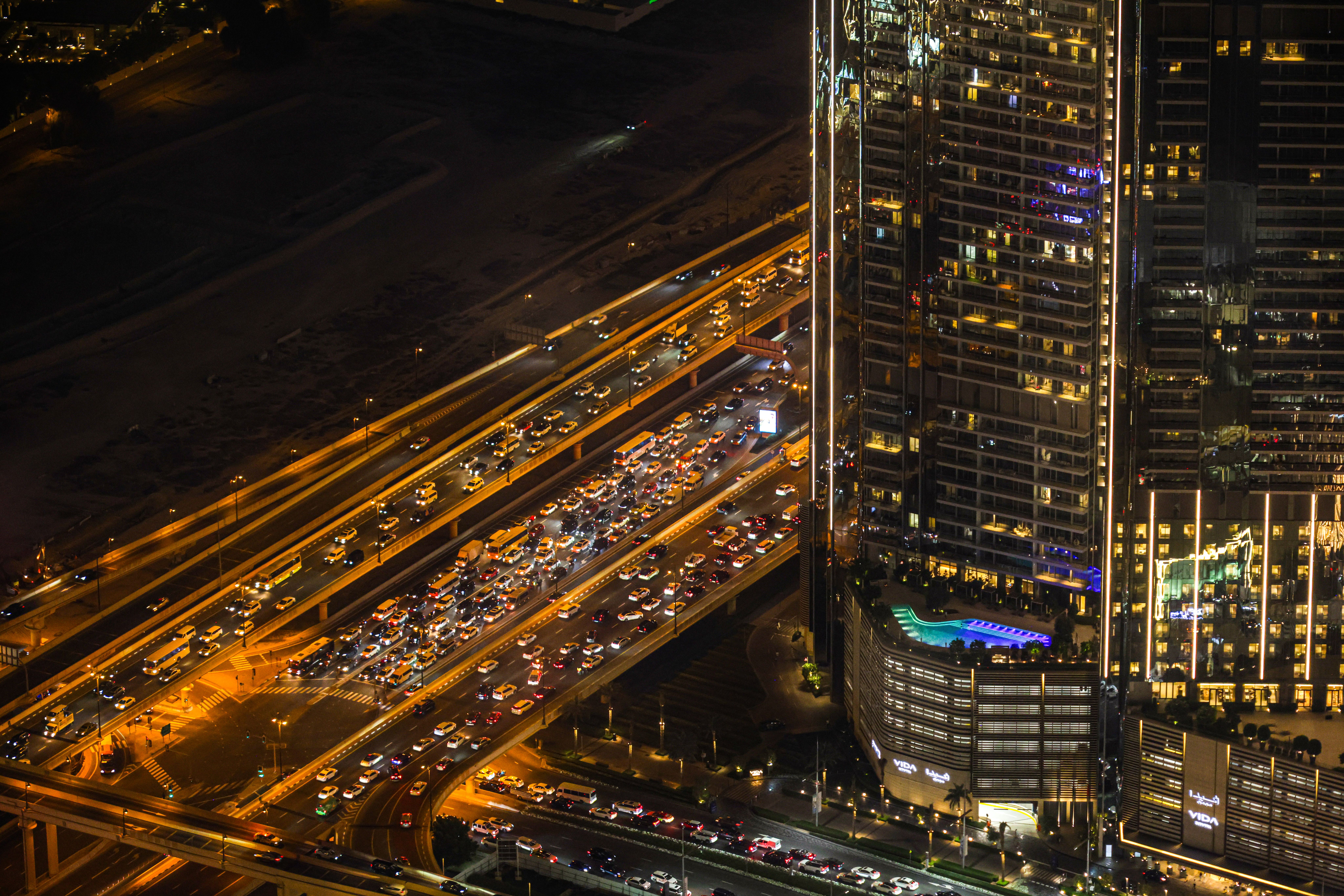
Now for The Bad: our infrastructure is about to face an absolute stress test. Hard Rock Stadium is the epicenter, which means the Florida Turnpike and I-95 are going to resemble parking lots. If your commute relies on these corridors, start begging your boss for remote work privileges now.

Even getting a reservation at your favorite local spot is going to require booking weeks in advance. The Miami culinary scene will be packed with corporate takeovers and tourist crowds. Public transport like the Brightline and Metrorail will be your only saving grace if you want to avoid $100 Uber surge prices.

Then there's The Ugly: the trap of speculative hype. Some landlords are evicting great long-term tenants thinking they'll make millions during the World Cup, only to realize that navigating local short-term rental compliance is a legal minefield. Miami-Dade doesn't play when it comes to unregistered rentals.

Plus, expect localized shortages of everyday conveniences in high-density spots like Brickell and Downtown Miami. If you live in these areas, you'll need to learn how to dodge the chaos just to grab a gallon of milk.

The Neighborhood Breakdown: Where to Party vs. Where to Hide. If you want to lean into the soccer energy, head to the Bayfront Park Fan Festival, which runs from June 13 to July 5. It's going to be wild, walkable, and loud—a pure showcase of Downtown Miami living. But if you prefer your sanity, look at quieter buffers.

Pockets like Aventura, North Miami Beach, and Hollywood are the perfect sweet spots right now. They offer incredible value, space, and distance from the stadium gridlock while keeping you close enough to everyday luxury. Check out our Aventura vs Sunny Isles comparison or look into the latest Hollywood development news to see why these practical alternatives are gaining serious traction.


Ultimately, after the finals wrap up on July 19, the global spotlight will leave a lasting impression. Thousands of visitors will realize that renting or owning a piece of the Miami lifestyle beats freezing up north. If you want to get ahead of the post-World Cup buyer wave, check out our Miami Fine Living Market Map or drop a line to Roman Ivanov to check your property's value. Let's navigate the madness together!