


The Good, The Bad, and The ‘What Were They Thinking?’ of Buying Foreclosures in Miami & South Florida
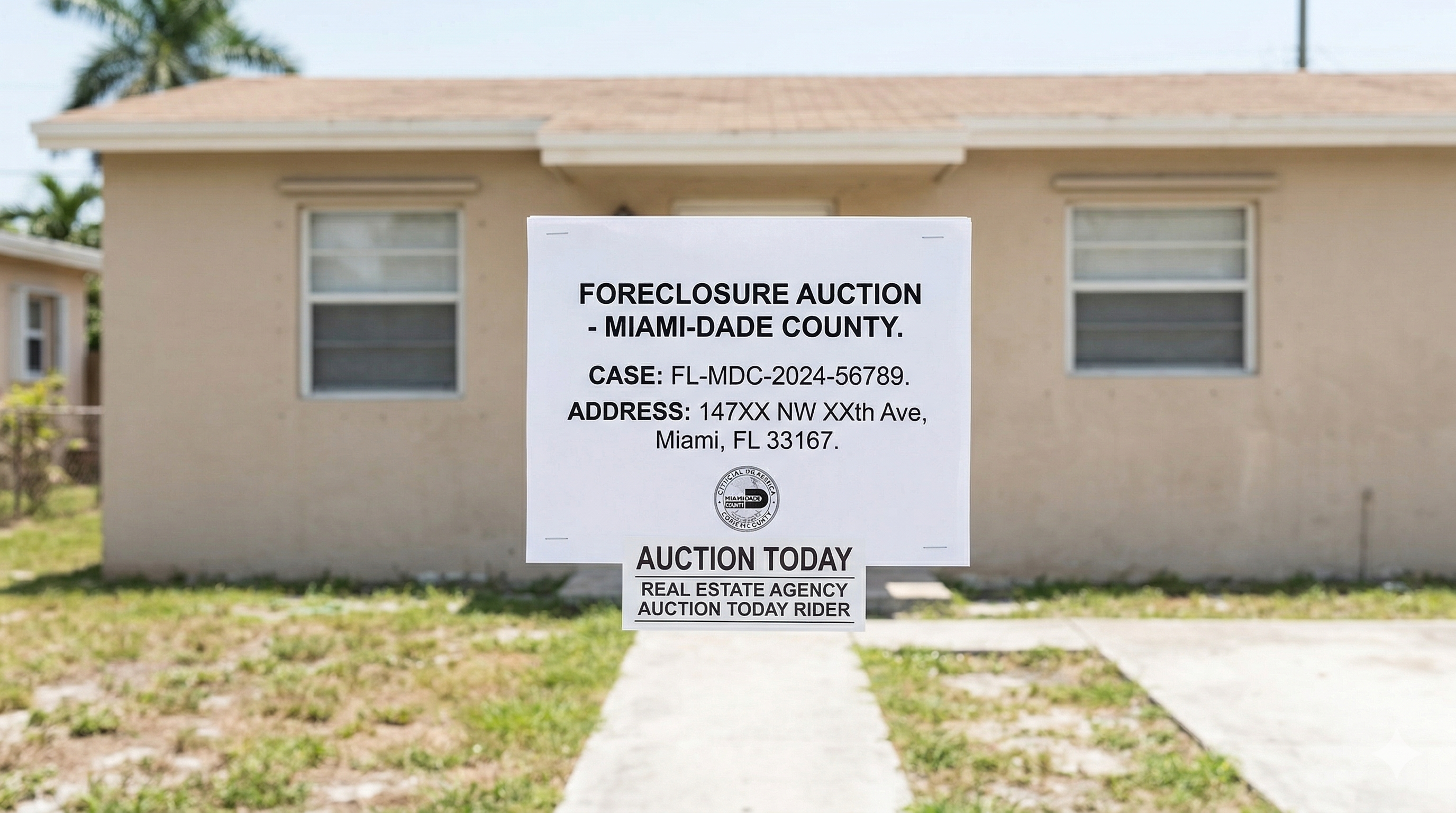
Ah, South Florida. The land of endless sunshine, questionable fashion choices, drivers who regard turn signals as merely optional suggestions, and a real estate market that moves faster than a jet ski in Biscayne Bay. It’s alluring, it’s chaotic, and if you’re reading this, you’re probably thinking about conquering it by snagging a property at a “steal” through the foreclosure market. You’ve heard the whispers at cocktail parties in Brickell: “My cousin bought a condo in Edgewater for half price!” But buying a foreclosure here isn’t like picking up a slightly bruised mango at a local fruit stand. It’s a high-stakes game where you can either score big or end up holding a bag full of legal headaches and termites. Before you sign on the dotted line, let’s break down the beautiful, the brutal, and the downright bizarre aspects of the South Florida foreclosure scene.
The Good: Swimming in Equity (Ideally)
Let’s start with the seductive part: the potential for profit. The primary goal of buying a foreclosed home is to acquire an asset below its current market value. Lenders—whether they are massive banks like First Citizens or Freddie Mac—are in the money business, not the landlord business. They want these properties off their books faster than a tourist fleeing a sudden Miami thunderstorm. This urgency can translate into significant savings for a savvy buyer, potentially giving you instant sweat equity from day one.
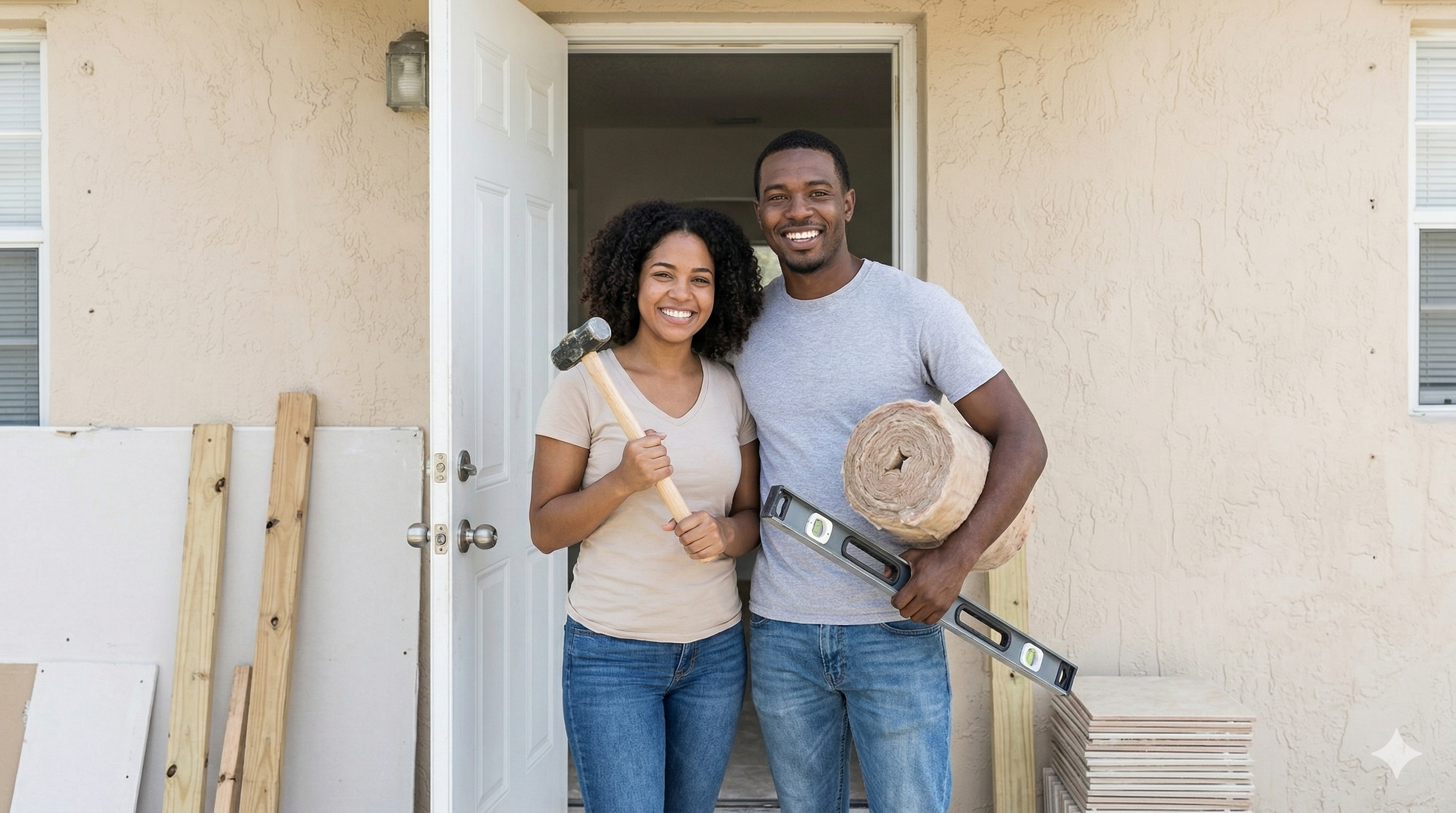
And then there’s the localization lottery. South Florida isn’t a monolith; it’s a patchwork quilt of unique micro-markets. Buying a traditional home in a white-hot neighborhood like Coconut Grove or the Estate section of Coral Gables might require a kidney donation as a down payment. But a foreclosure listing in Miami-Dade or Broward County might pop up in an up-and-coming pocket, allowing you entry into a zip code that was previously closed to anyone without a seven-figure income. The “Good” isn’t just about the initial price tag; it’s about accessing the unique South Florida lifestyle—the proximity to the Atlantic, the cultural vibrancy, the ability to buy coffee from a walk-up window (ventanita)—at a price point that makes your accountant slightly less grumpy.
The Bad: It’s “As-Is,” and “Is” Can Be Terrifying
Now, let’s talk about the cold, hard, tiled reality. The absolute golden rule of foreclosures is that properties are sold “as-is.” Traditional home sales include a delightful dance called “negotiating repairs,” where you ask the seller to fix the leaky roof, and they offer a closing cost credit instead. In foreclosure land, the bank doesn’t care. They have never lived there. They might not have even visited. When you buy a foreclosure, you are inheriting every single defect, deferred maintenance issue, and structural “quirk” the previous owner left behind. It’s the real estate equivalent of a blind date: it might be the love of your life, or it might be a disaster with serious boundary issues.
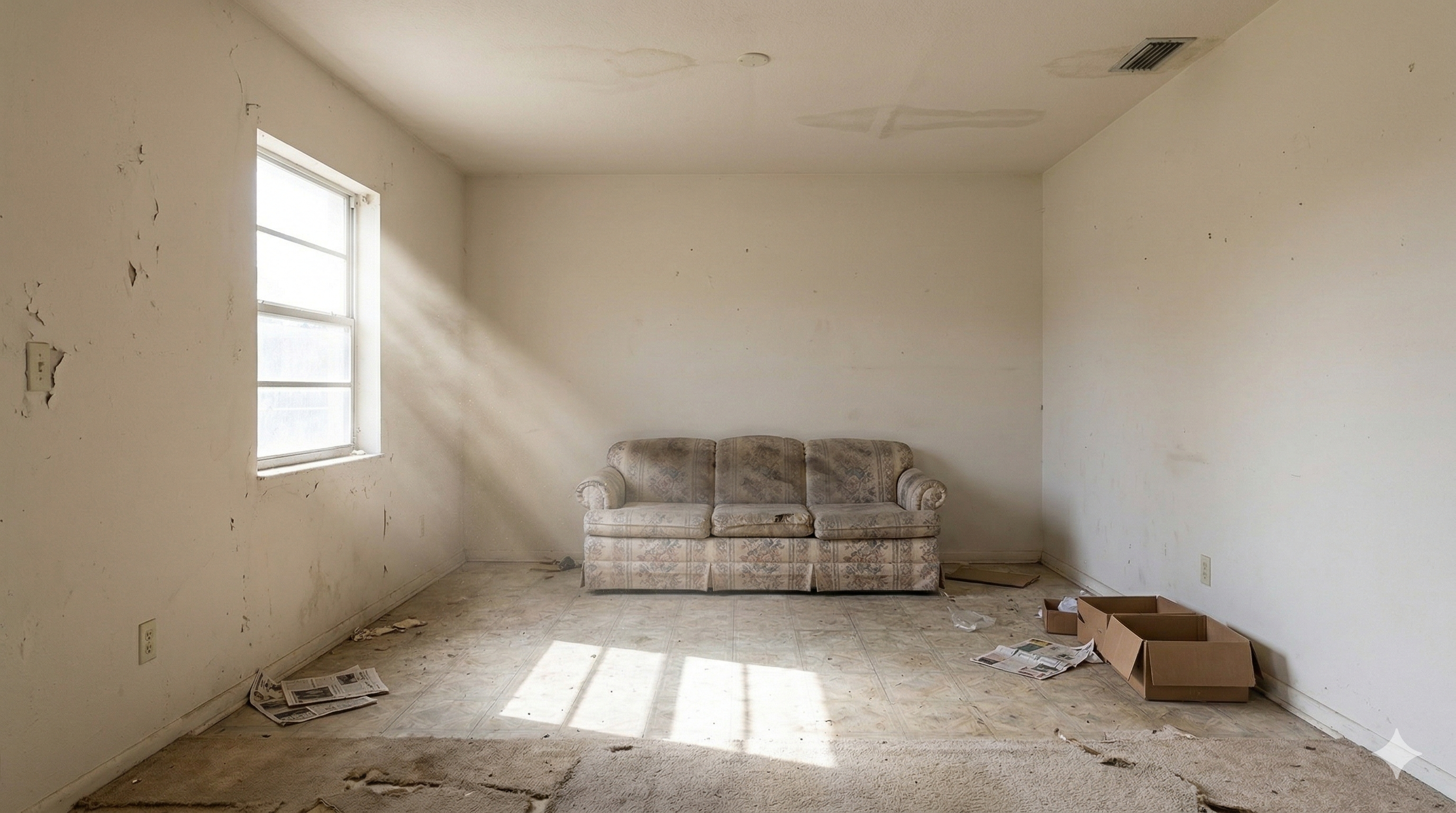
The financial logistical hurdle is the other hurdle. If you are bidding at a Miami-Dade County foreclosure auction, you can forget about a cozy 30-year mortgage approval contingency. You typically need cash in hand (or a cashier’s check) on the spot or within 24 hours. The barrier to entry for the best deals is immensely high, specifically designed for seasoned investors or those with extremely affluent uncles. If you are a first-time homebuyer hoping to use an FHA loan with 3.5% down, the standard courthouse auction path is not just difficult; it is legally and practically closed to you. You are limited to Real Estate Owned (REO) properties listed on the MLS, where competition from those same cash investors is ferocious.
The Ugly: Legal Ghost Stories and Revenge Renovations
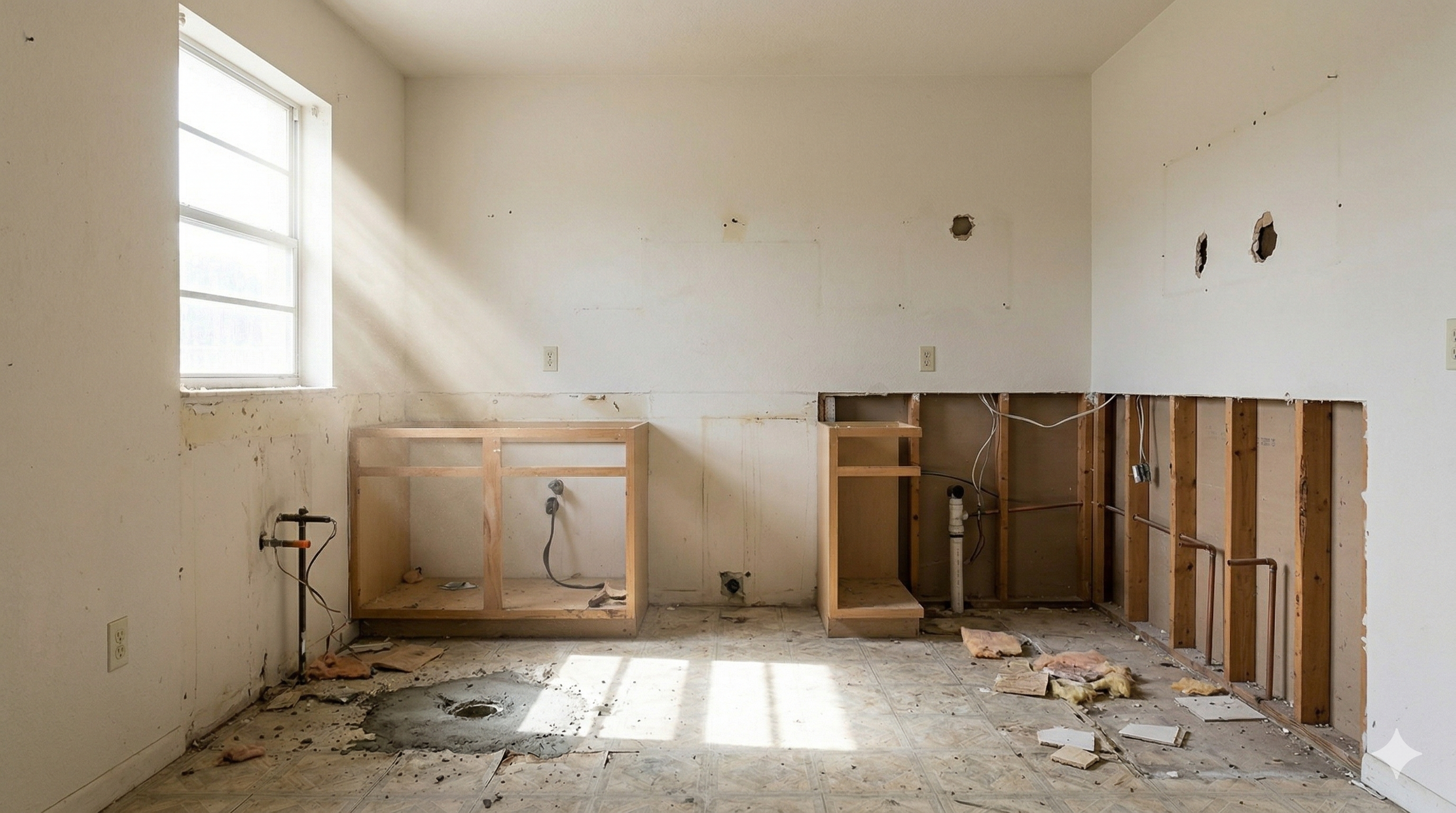
Welcome to the jungle. This is where things get truly South Florida. Traditional sellers are motivated by money or moving. Lenders are motivated by efficiency. But the homeowners facing foreclosure? They are sometimes motivated by absolute, unadulterated petty revenge. Before being evicted, some residents have been known to perform “revenge renovations,” which include pouring concrete down the drains, ripping out all copper piping, or even removing all kitchen appliances and cabinetry. You are not just buying a house; you are potentially buying a crime scene of domestic financial despair.
The “Ugly” also wears a legal gown. In Florida, foreclosures must go through the court system (it’s a “judicial foreclosure” state). This process can take years. Even after you successfully bid at an auction, there is a “redemption period” where the original owner can theoretically pay off the debt and take the house back. Worse, a cheap house can be expensive if it comes attached to unexpected liens. You might find a townhome in Hialeah for a great price, only to discover it has thousands of dollars in unpaid city code violations, a secondary mortgage, or three years of unpaid Homeowners Association (HOA) fees that you, the new owner, now legally owe. Running a title search is not optional; it is survival.
Neighborhood Watch: The Foreclosure Map
If you have the stomach for the Ugly and the cash for the Bad, where should you look? Market data suggests that foreclosure activity is often clustered inland, rather than on the ultra-luxury beachfronts. Reportedly, higher rates of housing loss have been noted in areas west of Miami International Airport, including neighborhoods like Opa-Locka, West Little River, and Brownsville. These are often communities where residents are facing acute financial pressures from soaring inflation, skyrocketing homeowners insurance premiums, and property tax increases.
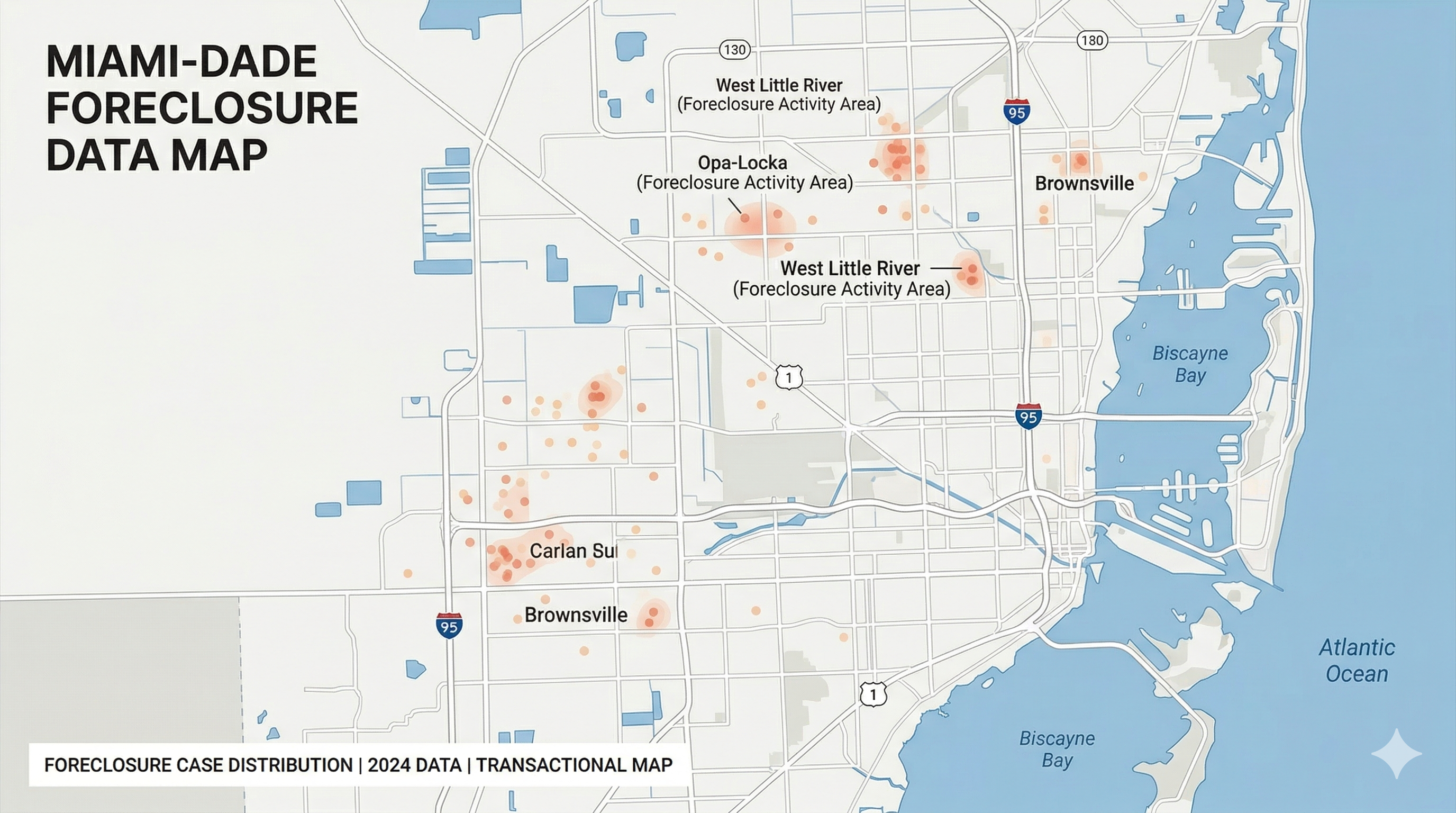
In Broward County, bank-owned homes can frequently be found in cities like Miramar, Pembroke Pines, or pockets of Fort Lauderdale away from the Las Olas glamor. Palm Beach County also sees consistent activity. The strategy here is different than traditional buying. Instead of looking for the best street in the best neighborhood, you are often looking for the best potential return in a neighborhood that might be five minutes further from the beach than you originally wanted, but offers the right mix of low acquisition cost and high rental demand.
Conclusion: The Final Bidding War
Ultimately, buying a foreclosure in Miami or South Florida is not for the faint of heart, the weak of spirit, or the shallow of pocket. It’s a stressful, chaotic, bureaucratic adrenaline rush. It requires a specific cocktail of patience, legal counsel, construction knowledge, and enough cash to buy a small island. The difference between a traditional sale and a foreclosure is the difference between going to a gourmet grocery store and trying to catch your own dinner with a spear while wearing a blindfold. There’s a chance you’ll get a masterpiece, but there’s a much bigger chance you’ll just get wet.
South Florida is a market of extremes. We have the highest real estate highs and the weirdest legal lows. Buying a foreclosure here can be the cornerstone of your financial future, or it can be a funny (but very expensive) story you tell your friends while you all drink overpriced coffee in Wynwood. If you decide to dive in, get a good lawyer, get a great inspector, get your proof of funds ready, and for the love of everything holy, double-check that the plumbing isn’t full of concrete. Good luck, and may the auction odds be ever in your favor.
About the author
Roman Ivanov is a South Florida listing agent with Miami Fine Living by Roman Ivanov (Real Broker, LLC), helping homeowners sell condos and single-family homes in Aventura, Sunny Isles Beach, North Miami Beach and Hollywood. 160 career sales, licensed in Florida since 2014, 5.0 on Google, and fluent in English and Russian.
Thinking about selling? See how I sell homes in Aventura, Sunny Isles Beach, North Miami Beach and Hollywood, or get a free home value. Call or text (786) 909-4892.